
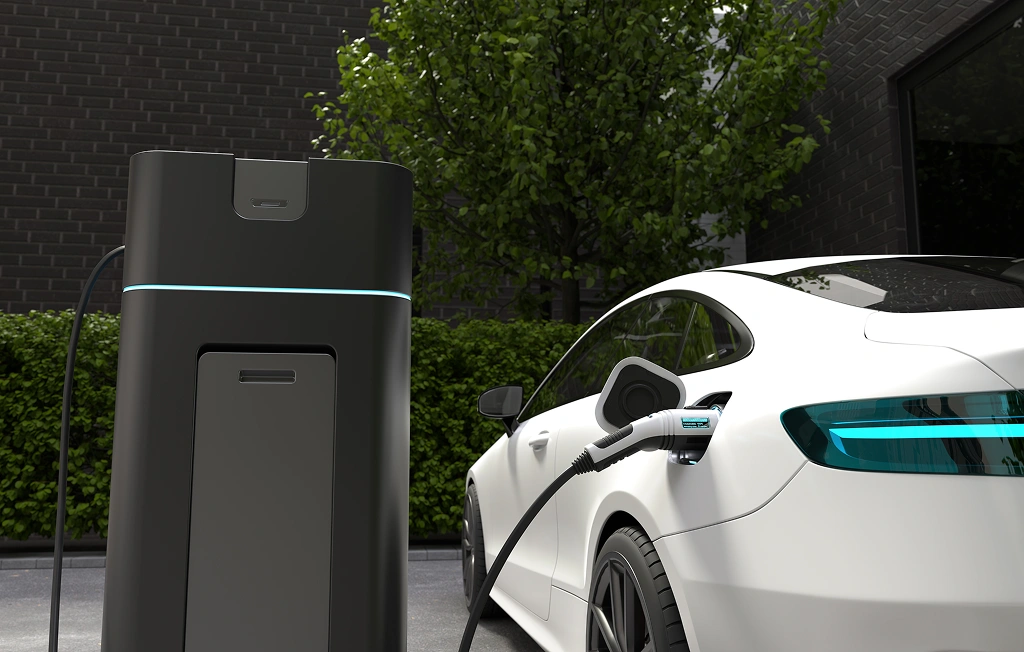
The transition to eco-friendly driving is no longer a futuristic concept; it is a current market reality. However, for the average driver, the choice between an Electric Vehicle (EV) and a Hybrid is often clouded by “range anxiety” on one side and “complexity fear” on the other.
Deciding which makes sense for you isn’t just about saving the planet—it’s about your specific infrastructure, your daily mileage, and how much you value simplicity versus versatility.
The Three Flavors of Green
To choose correctly, you must understand the three distinct categories currently available:
- Traditional Hybrids (HEV): Think of the classic Toyota Prius. These use a gasoline engine and a small battery that charges itself through braking. You never plug it in. It’s a “gas car that is very efficient.”
- Plug-In Hybrids (PHEV): These have a larger battery that provides 20-50 miles of purely electric range. Once that is gone, it switches to being a regular hybrid. It’s the “best of both worlds” for many.
- Full Electric (BEV): No gas engine, no exhaust pipe. It runs entirely on electricity. It’s the “cleanest” and simplest mechanically, but it requires a charging plan.
The “Home Charging” Requirement
The biggest factor in the “EV vs. Hybrid” debate isn’t the car—it’s your house. If you live in a single-family home where you can install a Level 2 charger, a full EV makes immense sense. You wake up every morning with a “full tank” for pennies.
However, if you live in an apartment or a rental where you cannot charge at home, a full EV can become a chore. Relying solely on public fast-chargers is more expensive and time-consuming. In this scenario, a traditional hybrid is often the superior choice, providing 50+ MPG without any change to your lifestyle.
Maintenance and Long-Term Reliability
Mechanically, the Full EV is the winner. It has no oil to change, no spark plugs, no transmission with dozens of gears, and no exhaust system to rust out. The “moving parts” are reduced from thousands to dozens.
Hybrids, particularly Plug-In Hybrids, are the most complex vehicles on the road. They contain both a full gasoline propulsion system and a full electric system. While modern hybrids from brands like Toyota have proven to be incredibly reliable, there is simply more that could go wrong over 15 years compared to a simple EV motor.
Range and the “One Car” Problem
Range anxiety is the fear that you will be stranded with a dead battery. Modern EVs now regularly offer 250-300 miles of range, which covers 95% of daily trips. However, if you frequently take 500-mile road trips into rural areas with poor charging infrastructure, the EV will add hours to your travel time.
This is where the Plug-In Hybrid (PHEV) shines. You can drive to work on electricity all week, but when it’s time for a cross-country trip, you have a gas tank that gives you 400+ miles of range and can be refilled in five minutes.
Depreciation and Incentives
Currently, the resale value of EVs is more volatile than hybrids. Technology is moving so fast that a five-year-old EV can feel “obsolete” in a way a five-year-old gas car does not. However, many governments offer significant tax credits for EVs that can offset this initial cost.
Hybrids tend to hold their value exceptionally well because they appeal to everyone—even those who are skeptical of chargers. They represent a “safe” step toward efficiency without the “all-in” commitment of an EV.
Practical Insights: The Math of Your Commute
Before buying, track your mileage for two weeks.
- If your daily round-trip is under 40 miles and you can charge at home, a Plug-In Hybrid could mean you almost never buy gas again.
- If you drive 100+ miles a day, a Full EV will save you thousands of dollars in fuel costs annually.
- If you do not have a driveway or a garage, stick with a Traditional Hybrid.
Summary
The “best” car depends on where you park at night. The Full EV is the future of low-maintenance, high-performance commuting, but it requires a home charging setup to be truly convenient. The Hybrid remains the most versatile tool for the modern driver, offering significant fuel savings with zero lifestyle compromise.
