
The Burden of the “Just in Case” Mentality
Most travelers stand over an open suitcase two nights before a flight, gripped by a specific kind of anxiety. It is the fear of being unprepared—the “just in case” syndrome that leads to three extra pairs of shoes, a heavy coat for a tropical destination, and enough toiletries to last a fiscal quarter. We pack for the people we imagine we might become on vacation rather than the person we actually are.
In this guide, you will learn how to dismantle the psychological traps of overpacking. We will explore the practical physics of a capsule wardrobe, the reality of destination laundry, and a system for prioritizing utility over “maybe” scenarios so you can move through your next journey with agility.
Why Lightweight Travel is a Competitive Advantage
Overpacking isn’t just a matter of heavy lifting; it is a drain on your most precious travel resources: time and mental energy. When you are weighed down by excessive luggage, you are tethered to taxis and bellhops. You lose the ability to hop on a local bus or walk five blocks to a hidden cafe because your suitcase is an anchor.
Furthermore, the modern airline industry has turned luggage into a primary revenue stream. Beyond the obvious checked bag fees, heavy bags make you slower at security, more conspicuous to scammers, and more exhausted by the time you reach your hotel. Learning to pack light is an act of reclaiming your freedom.
The Foundation of the Modular Wardrobe
The most effective way to cut bulk is to stop thinking in terms of “outfits” and start thinking in terms of “layers.” A modular wardrobe relies on the principle that every single item you pack must be compatible with at least three other items. If a shirt only works with one specific pair of trousers, it has no business being in your bag.
Neutral colors—navy, grey, black, and olive—form the best base. You can add a single “pop” of color or a patterned accessory to change the look, but the core items should be interchangeable. This allows you to create ten days of unique looks from just five or six key pieces of clothing.
Fabric choice is equally critical. Natural fibers like merino wool are the gold standard for travel because they are odor-resistant and temperature-regulating. Unlike synthetic polyester or heavy cotton, merino can be worn several times without washing, effectively halving the number of shirts you need to carry.
The Rule of Three for Footwear
Shoes are the primary culprits in an overpacked bag. They are heavy, awkwardly shaped, and often dirty. To master the minimalist suitcase, you must adhere to the Rule of Three: one pair on your feet, and two in the bag. Typically, this includes a sturdy walking shoe for daily exploration, a slightly more formal option for dinners, and a flat, compact pair of sandals or loafers.
Avoid the temptation to bring specialized gear unless the trip is centered on that activity. Unless you are planning a multi-day trek in the Alps, your standard athletic trainers are likely sufficient for a casual day hike. Heavy boots belong on your feet during the flight to save weight and space in your luggage.
Rethinking the “Essentials” and Toiletries
We often pack as if we are traveling to a remote moon colony rather than a functional city. Unless you are heading into the deep wilderness, remember that they sell toothpaste, sunscreen, and basic medications at your destination. Carrying a three-month supply of shampoo is a waste of space.
Switching to solid toiletries—shampoo bars, solid cologne, and toothpaste tabs—eliminates the “liquids rule” headache and prevents messy spills in your bag. For everything else, use small, refillable containers. Most travelers find that even a 30ml bottle of face wash lasts much longer than a two-week trip requires.
Practical Insights and Common Misunderstandings
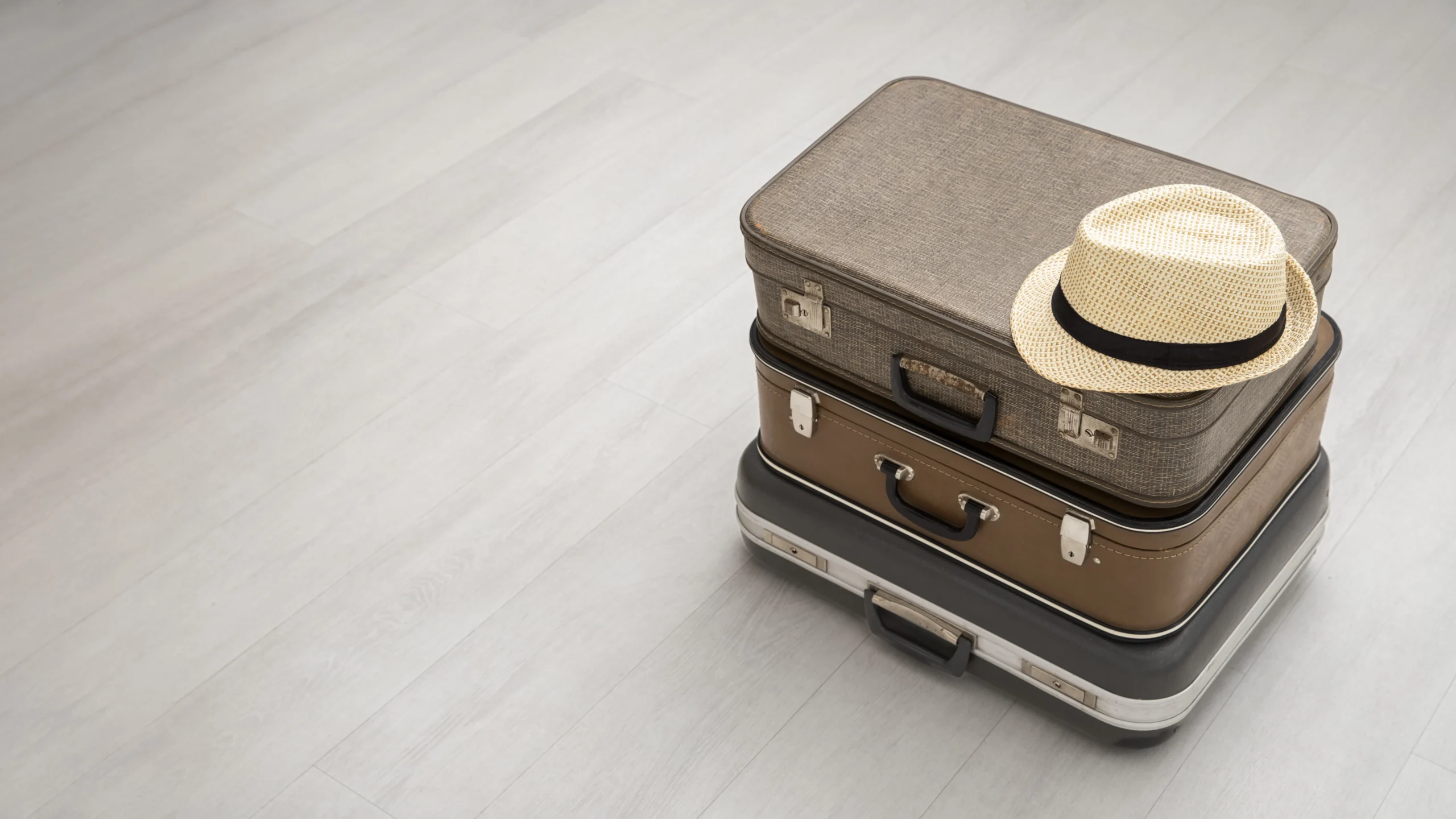
A common mistake is using a larger suitcase “just to have the extra room.” Nature abhors a vacuum, and so does a traveler with an empty suitcase; you will inevitably fill that space with things you don’t need. Start with a smaller bag to force better decision-making.
Many people also believe that rolling clothes is the only way to save space. While rolling is excellent for preventing wrinkles in t-shirts, “ranger rolling” or using compression packing cubes is far more effective for managing volume. Packing cubes act as drawers for your suitcase, keeping categories organized so you aren’t digging through a mountain of fabric to find a pair of socks.
Moving Toward a Lighter Journey
Packing light is a skill that improves with every trip. It requires a shift in perspective—viewing your belongings as tools for an experience rather than a security blanket. By focusing on high-quality fabrics, modularity, and the reality of local availability, you can reduce your physical load significantly.
The true reward of minimalist packing isn’t just avoiding a baggage fee. It is the feeling of walking off a plane, bypassing the luggage carousel, and stepping straight into the heart of a new city while everyone else is still waiting for their “just in case” items to appear on a conveyor belt.
