
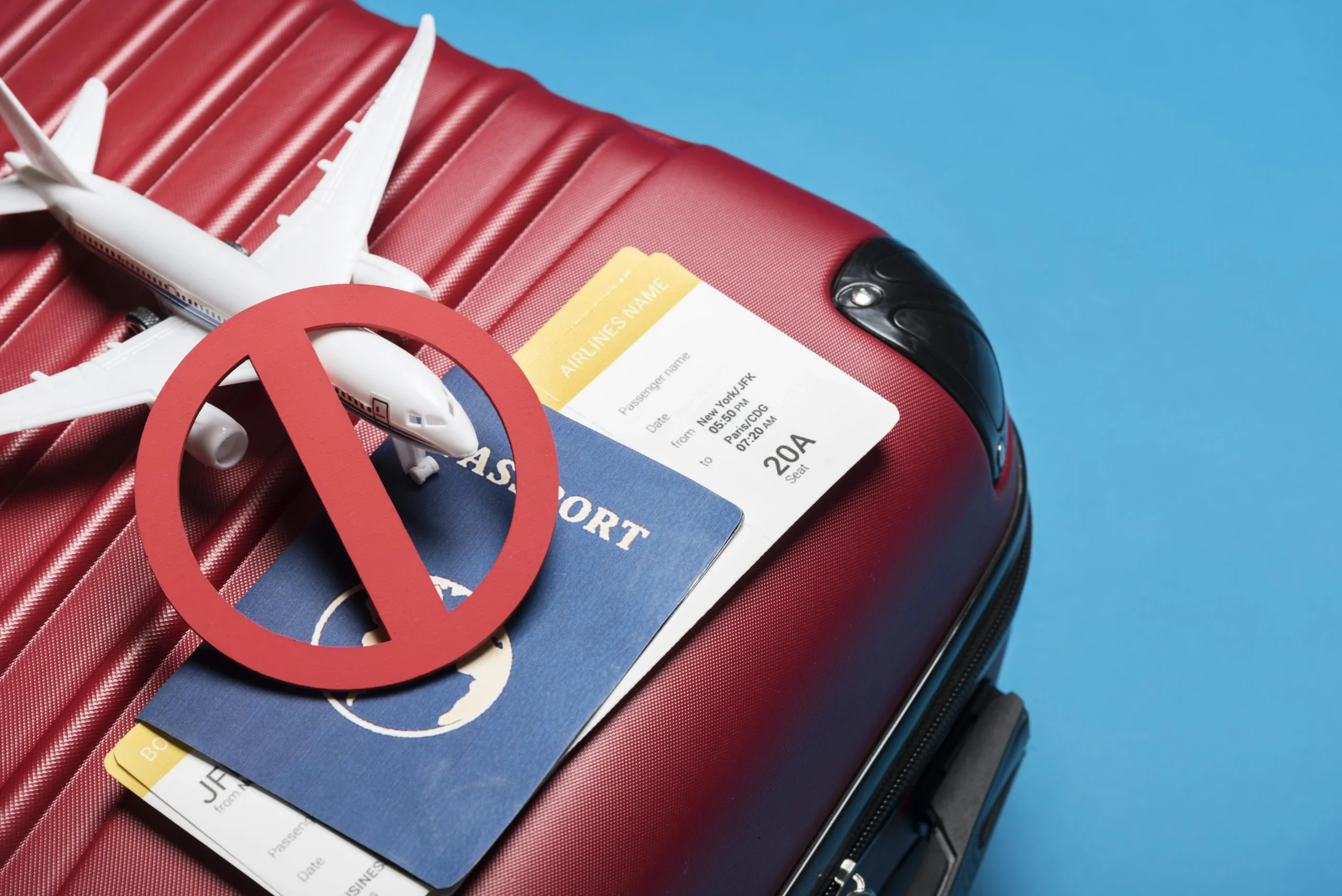
The Vulnerability of the Visitor
When we travel, we are naturally more vulnerable. We are in an unfamiliar environment, we are often distracted by beautiful architecture, and we generally want to be polite to the people of our host country. Scammers and “Street Grifters” are experts at weaponizing this politeness and distraction.
This article pulls back the curtain on the most common social engineering tricks used against tourists. We will analyze the mechanics of the “distraction,” the “gift,” and the “authority” scams, providing you with the psychological tools to spot a con before it starts.
The “Friendship” or “Gift” Scam
This is the most common scam in major European cities like Paris, Rome, and Madrid. A person will approach you and attempt to put a “friendship bracelet” on your wrist, or hand you a “free” sprig of rosemary or a flower.
Once the item is in your hand or tied to your arm, they will demand payment. If you refuse, they often become loud and aggressive to create a scene, betting that you will pay just to make the embarrassment go away. The Rule: Never let a stranger put anything on your body or hand you anything “for free.” A polite but firm “No” while maintaining your walking pace is the only effective response.
The “Closed Attraction” Scam
Frequently seen in cities like Bangkok, Istanbul, and Cairo, this scam involves a friendly, well-dressed local approaching you near a major landmark (like the Grand Palace or a famous Mosque). They will tell you that the attraction is “closed for a holiday” or “closed for prayer.”
They then offer to take you to a “secret” alternative or a “government-sponsored” shop. In reality, the attraction is open, and they are leading you to a high-pressure jewelry or carpet shop where they receive a commission. The Rule: Always check the entrance yourself. Never take the word of a random passerby regarding opening hours.
The “Distraction and Grab”
This is a physical scam designed to get your eyes off your belongings. It often involves two people. One person might “accidentally” spill something on your coat (mustard, bird droppings, or water) and frantically offer to help clean it off. While you are distracted by the mess and their “kindness,” their accomplice is emptying your pockets or taking your bag from the floor.
Variations include someone dropping a handful of coins or a group of children surrounding you with pieces of cardboard (the “cardboard petition” scam). The Rule: If something strange or messy happens in a crowded area, ignore it and keep moving. Secure your bags and walk to a safe, quiet area (like a hotel lobby or a store) before checking your clothes or your belongings.
The “Official” Impersonator
In some cities, scammers will dress as “Tourist Police” or “Transit Officials.” They may ask to see your passport or your wallet to “check for counterfeit currency” or verify your visa. They then use sleight of hand to remove bills or credit cards before returning the wallet.
Real police officers will rarely approach a tourist without a specific reason, and they will almost never ask to handle your cash. The Rule: Ask for their official identification and offer to walk with them to the nearest police station to resolve the matter. A scammer will disappear the moment you suggest going to an actual government building.
Practical Insights: The “Broken Meter” and Ride-Share Safety
Taxi scams are the most frequent financial drain. A driver will claim their meter is broken and quote a “special price,” which is always triple the actual rate. Or they will take a “scenic route” to pad the meter.
The best defense is to use ride-sharing apps (Uber, Grab, Bolt) where the price is fixed and the route is tracked by GPS. If you must take a street taxi, never get in the car until you have confirmed the meter is working. If they refuse, get out immediately. There is always another taxi.
Maintaining Your “Situational Awareness”
Being aware of scams doesn’t mean being paranoid or cynical. Most people you meet will be genuinely kind and helpful. However, by understanding the “scripts” that scammers use, you can filter out the small percentage of people who are looking for a target.
The most powerful tool you have is your intuition. If a situation feels “forced,” if someone is being overly helpful for no reason, or if you feel a sudden pressure to make a decision, walk away. You are not being rude; you are being a smart traveler.
