
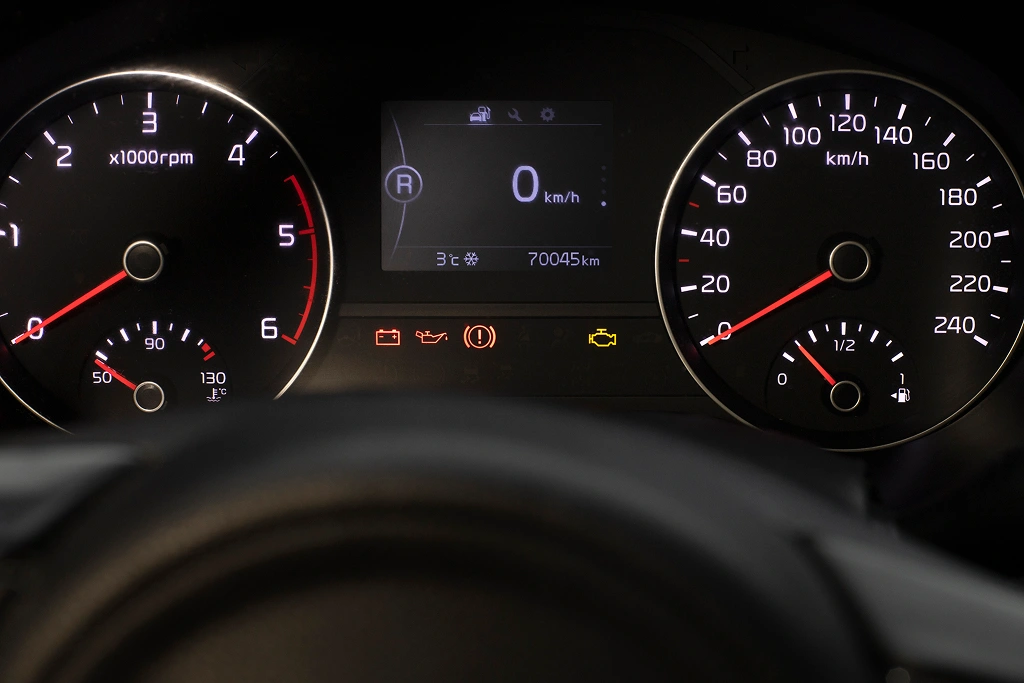
Modern vehicle dashboards can sometimes feel like a holiday display gone wrong. With dozens of potential icons, it is easy for a driver to feel overwhelmed when a glowing symbol suddenly appears. However, these lights are not meant to cause panic; they are a sophisticated communication system designed to help you prevent expensive repairs or dangerous breakdowns.
The problem for most drivers is the lack of a “translation” between a glowing icon and a physical reality. This guide breaks down the most critical warning lights, categorized by their urgency, and explains exactly what is happening beneath the hood when they illuminate.
The Color Coding of the Dashboard
Before identifying specific icons, it is essential to understand the “traffic light” logic used by automotive engineers. The color of a warning light tells you immediately how much time you have to react.
Green or blue lights are merely indicators. They tell you a system is active, such as your headlights or cruise control. Yellow or orange lights are “caution” markers. They signal that a system is malfunctioning or needs service soon, but the car is usually safe to drive for a short distance. Red lights, however, are “stop” signals. They indicate a serious safety issue or a condition that could cause immediate, permanent engine damage.
The Check Engine Light (The Great Unknown)
The “Check Engine” light, officially known as the Malfunction Indicator Lamp (MIL), is the most misunderstood icon on the dash. It can signal something as trivial as a loose gas cap or as serious as a failing catalytic converter.
If the light is solid orange, your car’s computer has detected an issue with the emissions or engine control system. You should have it scanned by a professional within a few days. However, if the Check Engine light is flashing, this is an emergency. A flashing light usually indicates an engine misfire so severe that it is dumping unburnt fuel into the exhaust, which can destroy your catalytic converter—a multi-thousand dollar repair—in a matter of minutes. In this scenario, you should reduce speed and pull over safely as soon as possible.
Oil Pressure and Engine Temperature (The Red Emergencies)
Two red icons demand immediate action: the oil can (Oil Pressure) and the thermometer in liquid (Engine Temperature).
The oil pressure light does not necessarily mean you are low on oil; it means the oil is not circulating with enough pressure to protect the engine’s moving parts. Without pressure, metal-on-metal contact occurs, and your engine can seize in seconds. If this light comes on, turn the engine off immediately.
Similarly, the temperature light indicates the engine is overheating. This is often caused by a coolant leak or a failing water pump. If you continue to drive while the engine is overheating, the cylinder head can warp or the head gasket can blow. If you see this light, pull over and let the car cool down completely before even attempting to open the hood.
Brake and Battery Warnings
The brake warning light (a circle with an exclamation point or the word “BRAKE”) usually means one of two things: your parking brake is still engaged, or your brake fluid level is dangerously low. If the parking brake is off and the light stays on, your stopping power could be compromised. This requires an immediate inspection of the brake lines for leaks.
The battery icon (a small rectangle with plus and minus signs) is often misinterpreted as a sign of a bad battery. In reality, it usually indicates a failure in the charging system, most often the alternator. When this light is on, the car is running entirely on the battery’s stored energy. You have a very limited amount of time—often only 15 to 30 minutes—before the car’s electrical systems shut down and the engine dies. Turn off the radio, AC, and seat heaters to preserve power until you can reach a mechanic.
Tire Pressure and Traction Control
The yellow icon that looks like a horseshoe with an exclamation point is the Tire Pressure Monitoring System (TPMS) alert. This means at least one tire is significantly under-inflated. While not always an immediate emergency, driving on low tires increases fuel consumption and risks a blowout.
The traction control light (a car with wavy lines behind it) often flickers briefly when you are driving on slippery roads; this is normal and means the system is working to keep you from sliding. However, if the light stays on permanently, the system is deactivated due to a fault, meaning you won’t have electronic assistance if you lose grip.
Practical Insights: The “Dummy” Check
Before calling a tow truck, there are two simple “user errors” that trigger lights:
- The Gas Cap: A loose gas cap is a leading cause of the Check Engine light. Ensure it is clicked into place.
- The Parking Brake: Ensure the handle is fully down or the electronic button is disengaged to clear the Brake light.
Most auto parts stores will scan your Check Engine light for free. They provide a code (e.g., P0300) which gives you a starting point for a conversation with your mechanic, preventing you from being “oversold” on unnecessary repairs.
Summary
Think of your dashboard lights as a preventative health screening. Most lights start as yellow cautions, giving you time to address minor issues before they become red-light disasters. By understanding the color priority and the specific systems involved, you can navigate mechanical issues with confidence rather than fear.
