
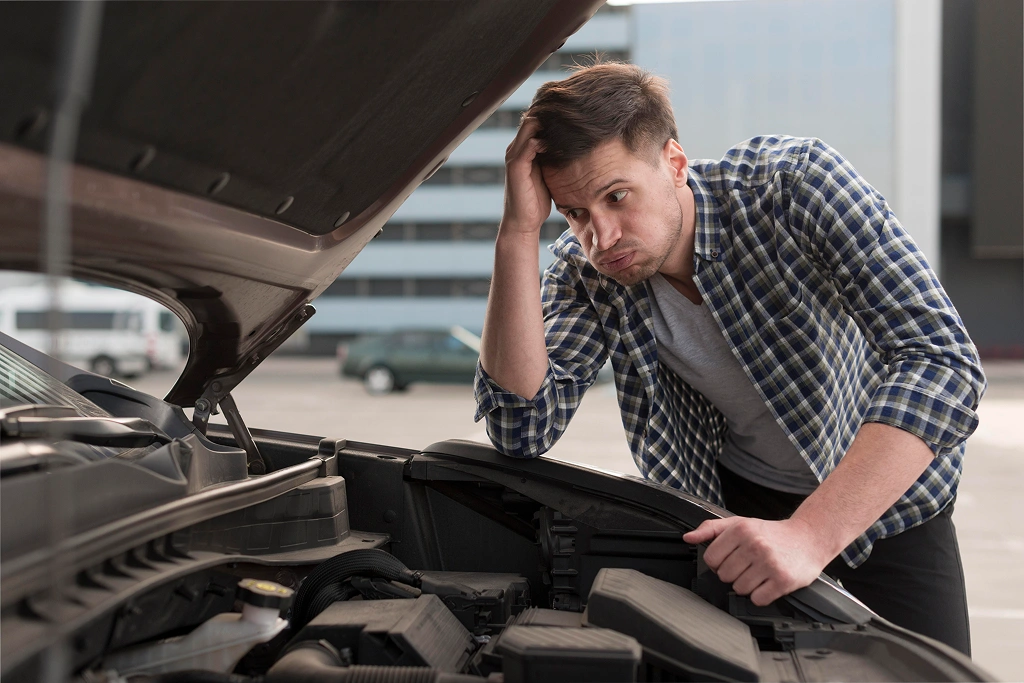
An overheating engine is the automotive equivalent of a high fever—it is a symptom of a deeper problem that, if left untreated, can lead to total organ failure. For owners of older or high-mileage vehicles, overheating is a constant threat that can turn a $50 repair into a $5,000 engine replacement in a matter of minutes.
Understanding why engines get hot and how to spot the warning signs before the steam starts rising can save your vehicle from the scrap heap.
The Cooling System: A Balanced Ecosystem
An internal combustion engine generates enough heat to melt itself. To prevent this, a cooling system circulates a mixture of water and antifreeze (coolant) through the engine block, absorbing heat and carrying it to the radiator to be cooled by the wind.
If any part of this loop fails—the pump, the fluid, the radiator, or the thermostat—the temperature will skyrocket. In older cars, these components eventually wear out through corrosion or simple mechanical fatigue.
Common Cause #1: Coolant Leaks
The most frequent cause of overheating is a loss of coolant. This can be an “external” leak, such as a cracked rubber hose, a punctured radiator, or a leaking water pump. These are usually easy to spot because you will see a puddle of bright green, orange, or pink fluid under the car.
More dangerous is the “internal” leak. This is often caused by a failing head gasket, which allows coolant to leak into the combustion chambers. You won’t see a puddle, but you might see white, sweet-smelling smoke coming from the exhaust. If you find yourself constantly topping off your coolant reservoir but can’t find a leak, your engine is likely “consuming” its coolant internally.
Common Cause #2: The Stuck Thermostat
The thermostat is a small, inexpensive valve that acts as the “gatekeeper” for the cooling system. When the engine is cold, it stays closed to help the engine warm up quickly. Once the engine reaches operating temperature, it is supposed to open to allow coolant to flow to the radiator.
Over time, these valves can become “stuck closed.” When this happens, the coolant stays trapped in the engine, getting hotter and hotter, while the radiator stays cold. If your car overheats within 10 minutes of driving even though you have plenty of coolant, the thermostat is the prime suspect.
Common Cause #3: Radiator and Fan Issues
The radiator is full of tiny passages that can become clogged with “scale” (mineral deposits) if you use tap water instead of distilled water in your coolant mix. Once clogged, the radiator cannot dissipate heat.
Additionally, when you are sitting in traffic, there is no wind to cool the radiator. This is why cars have electric cooling fans. If the fan motor dies or the sensor fails, your car might stay cool on the highway but begin to overheat the moment you hit a traffic jam.
Practical Insights: What to Do in the Moment
If you see your temperature needle climbing toward the red zone:
- Turn off the Air Conditioning: The AC puts a massive load on the engine and generates its own heat.
- Turn on the Heater: This sounds counterintuitive in summer, but the car’s heater is actually a small secondary radiator. Turning it to full blast pulls heat away from the engine and into the cabin. It will be uncomfortable for you, but it might save the engine.
- Never Open a Hot Radiator: This cannot be stressed enough. The system is under high pressure. If you open the cap while it’s hot, boiling coolant will spray out like a geyser, causing severe burns.
Prevention for High-Mileage Cars
If your car is over 10 years old, don’t wait for a leak. Replace your rubber radiator hoses every 100,000 miles, as they rot from the inside out. More importantly, perform a “Coolant Flush” every three to five years. This removes the acidic, old fluid and the mineral deposits that clog radiators and eat away at water pump seals.
Summary
Engine overheating is almost always preventable through basic vigilance. By monitoring your coolant levels, replacing old hoses, and reacting quickly to a rising temperature needle, you can keep an older engine running for years. Remember: the moment the needle hits the red, the clock is ticking. Stop immediately to save your engine.
